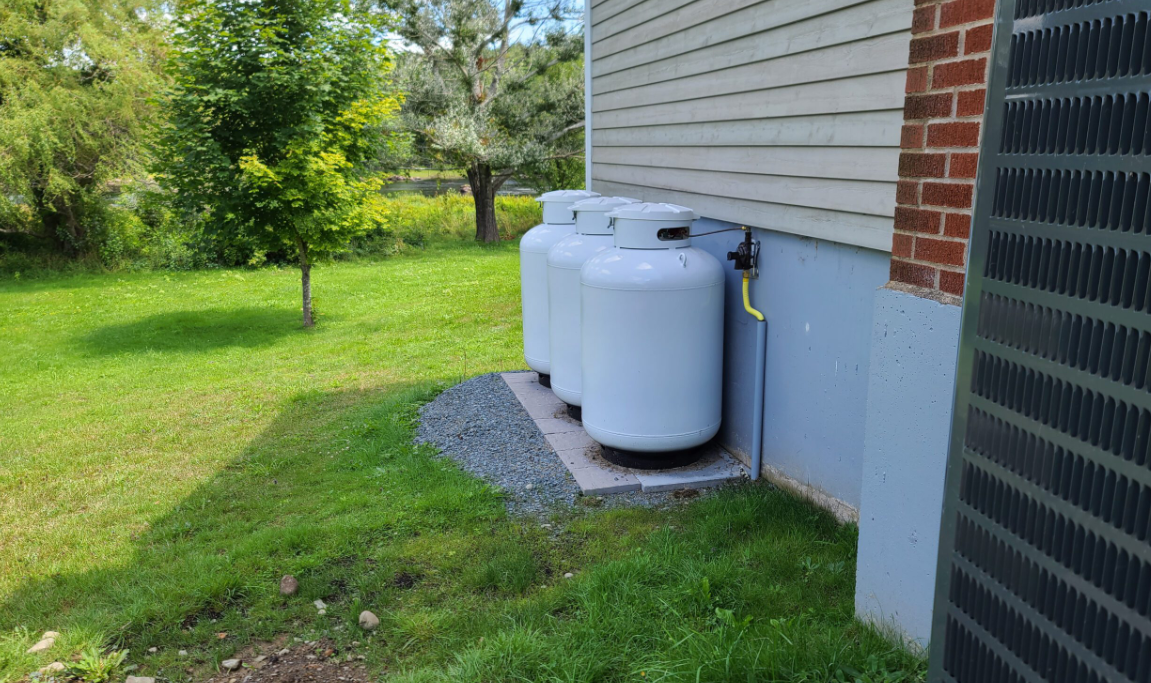
Home propane is a versatile and efficient energy source that many homeowners rely on for various applications. This article delves into the benefits, uses, and safety tips associated with home propane, providing a comprehensive overview for those considering or currently utilizing this energy source.
What is Home Propane?
Home propane, also known as liquefied petroleum gas (LPG), is a byproduct of natural gas processing and petroleum refining. It is stored as a liquid in pressurized tanks and is a popular choice for residential energy needs due to its efficiency and availability. Propane can be used in various applications, making it a valuable asset for homeowners.
Benefits of Home Propane
1. Efficiency and Cost-Effectiveness
One of the primary advantages of home propane is its efficiency. Propane burns cleanly and produces more energy per unit than many other fuel types. This efficiency translates into lower utility bills for homeowners. Additionally, propane is often more affordable than electricity in many regions, making it a cost-effective option for heating and powering appliances.
2. Versatility
Home propane can be used for a wide range of applications, including:
- Heating: Propane furnaces, boilers, and space heaters provide effective heating solutions for homes, especially in colder climates.
- Cooking: Many homeowners prefer propane stoves and ovens for cooking due to the precise temperature control they offer.
- Water Heating: Propane water heaters can heat water more quickly than electric models, providing immediate hot water for household needs.
- Drying Clothes: Propane-powered dryers are typically more energy-efficient than electric models, reducing drying times and energy consumption.
- Outdoor Living: Home propane can fuel grills, fire pits, and outdoor heaters, enhancing outdoor living spaces and entertaining.
3. Environmental Benefits
Home propane is a cleaner-burning fuel compared to many other fossil fuels. It emits fewer greenhouse gases and pollutants, contributing to improved air quality. Additionally, propane is considered a renewable energy source when produced from biomass, making it an environmentally friendly option for homeowners concerned about their carbon footprint.
4. Energy Independence
Using home propane can help reduce reliance on the electric grid, particularly in areas prone to power outages. Propane tanks can be refilled as needed, providing a reliable energy source during emergencies. This independence is especially crucial for rural homeowners or those living in regions with unstable electricity supplies.
Safety Tips for Using Home Propane
While home propane is generally safe when used correctly, it is essential to follow safety guidelines to mitigate risks. Here are some critical safety tips:
1. Regular Maintenance and Inspections
Regular maintenance of propane appliances and systems is vital for safe operation. Homeowners should schedule annual inspections with certified technicians to ensure that propane tanks, lines, and appliances are functioning correctly and safely.
2. Proper Ventilation
Ensure that areas where propane appliances are used are adequately ventilated. Good airflow helps prevent the buildup of potentially harmful gases and ensures that propane burns efficiently.
3. Install Detectors
Install propane detectors and carbon monoxide detectors in your home. These devices can alert you to leaks or dangerous gas levels, providing an essential early warning system for your family’s safety.
4. Know the Signs of a Leak
Familiarize yourself with the signs of a propane leak. These may include a strong odor similar to rotten eggs, hissing sounds near propane lines, or dead vegetation around the area where propane lines are buried. If you suspect a leak, evacuate the area immediately and contact your propane supplier or emergency services.
5. Safe Storage Practices
Store propane tanks in well-ventilated areas away from direct sunlight and heat sources. Always keep tanks upright and secure them to prevent tipping. Additionally, never store propane tanks indoors or in confined spaces, as this increases the risk of leaks and explosions.
6. Emergency Preparedness
Prepare for emergencies by having an action plan in place. This includes knowing how to turn off the propane supply and understanding when to evacuate your home. Keep emergency contact numbers readily available and ensure all family members are aware of safety protocols.
Conclusion
Home propane offers numerous benefits, including efficiency, versatility, and environmental advantages. However, it is crucial for homeowners to prioritize safety by following best practices and conducting regular maintenance. By understanding home propane’s potential and implementing safety measures, you can enjoy a reliable and efficient energy source for your household needs.